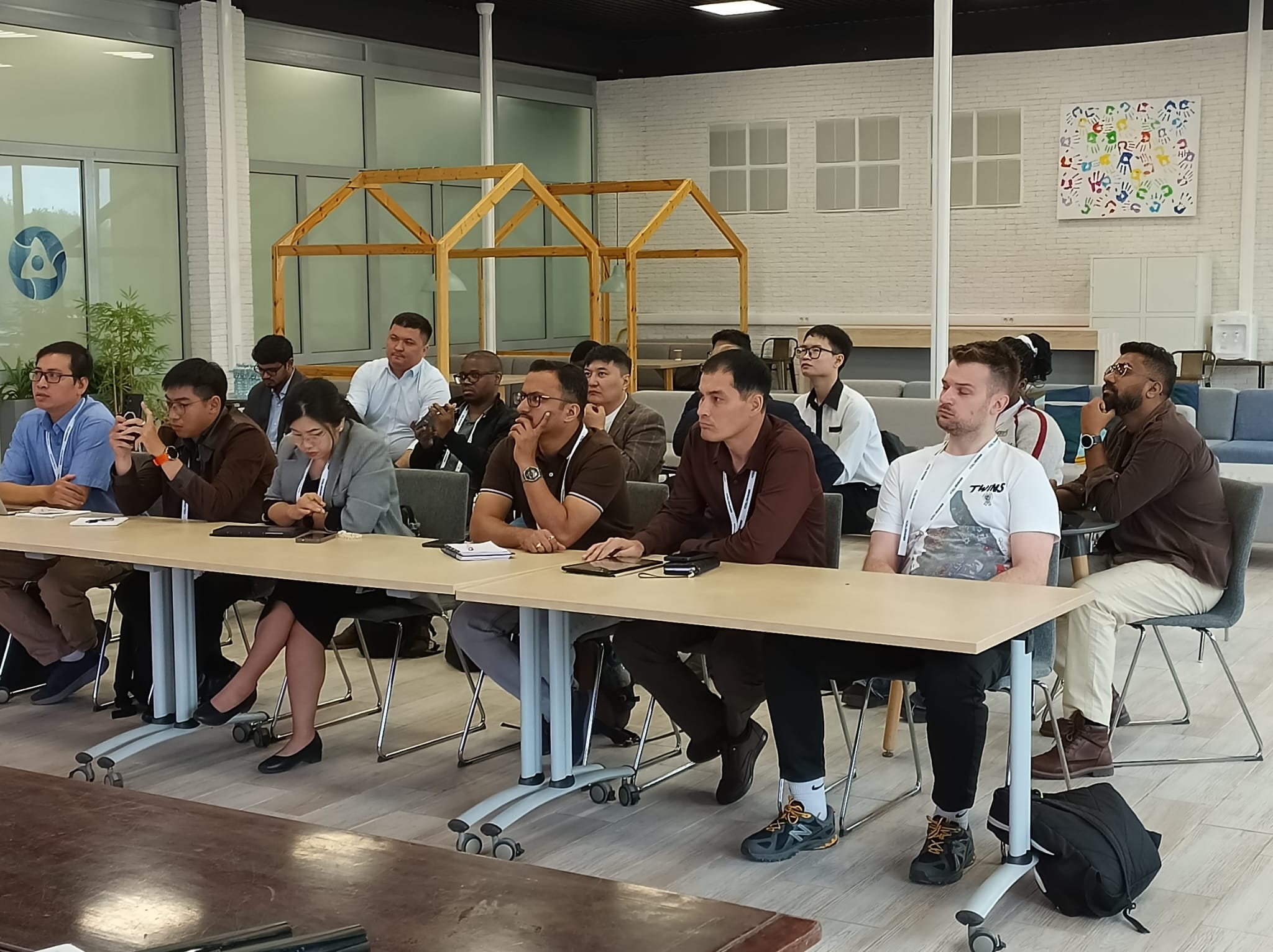
On June 25, 2026, the regional network STAR-NET, jointly with the IAEA, organized a round table for foreign teachers on “International cooperation in nuclear education: new approaches and solutions” as part of the annual International Youth Nuclear Forum Obninsk NEW-2026.
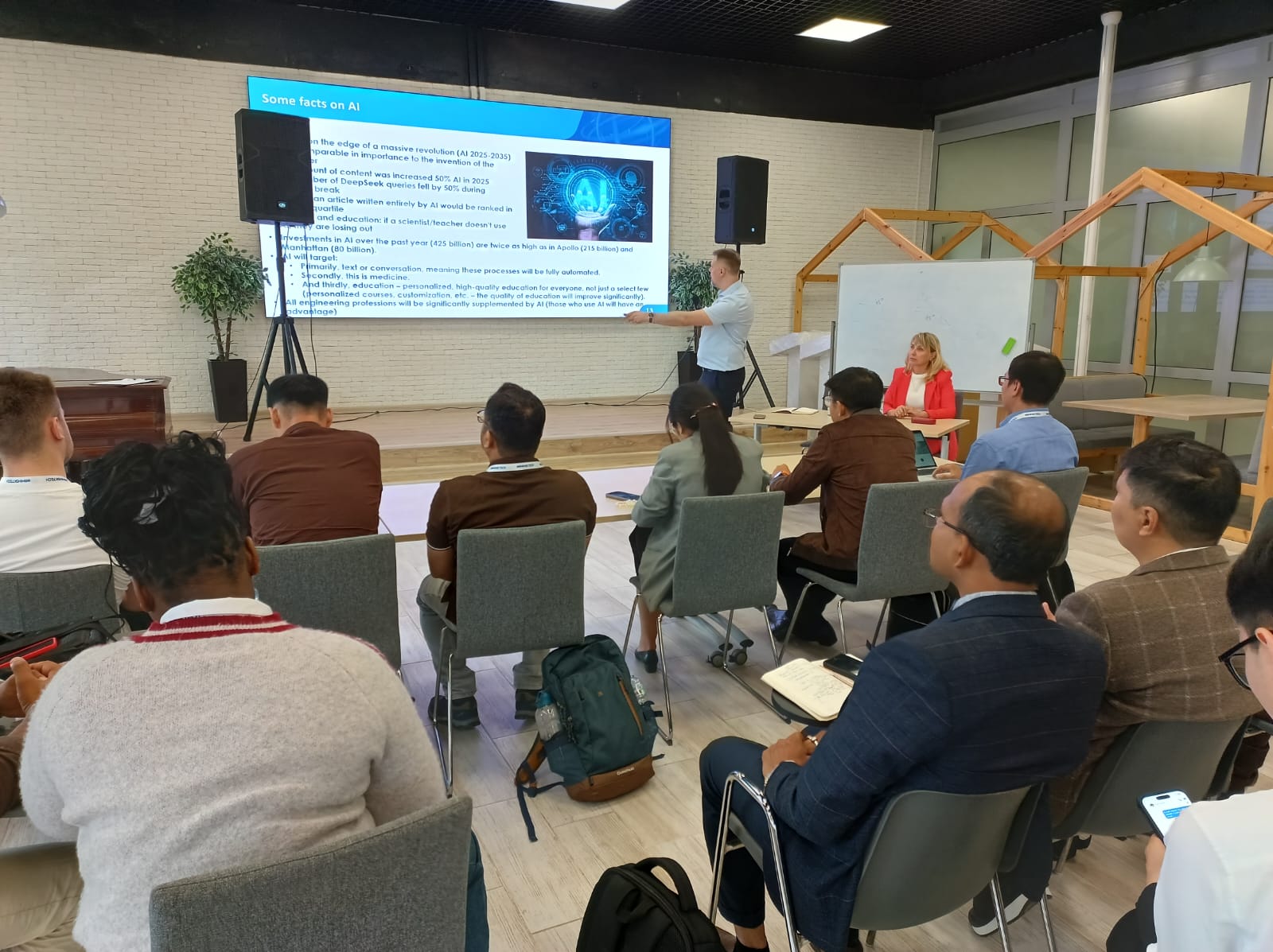 The event, aimed at strengthening ties between university professors from different countries involved in training specialists in the field of nuclear technology, was moderated by Yuri Volkov, Associate Professor at the National Research Nuclear University MEPhI (NRNU MEPhI), who also presented the experience of the NRNU MEPhI in the field of international cooperation with universities and training organizations, and also focused on the transformation of global nuclear education in the era of artificial intelligence and advanced reactor technologies. He called the need to maintain a balance between deep fundamental training and digitalization a key challenge of our time: despite the AI revolution and the introduction of digital twins, neural networks should not replace the engineering thinking and “professional common sense” of future specialists. To train personnel capable of solving interdisciplinary tasks — from thermonuclear fusion to nuclear medicine — MEPhI, relying on the status of the IAEA Collaborating Center and the consortium of Rosatom flagship universities, relies on international harmonization of standards, joint use of virtual laboratories and the launch of the Obninsk TECH international campus, which will become a global showcase of Russian nuclear technologies and a point of attraction for talented youth from all over the world.
Helena Zhivitskaya, the IAEA, spoke about the IAEA’s initiatives and projects in the field of nuclear education and the role of educational networks in creating a shared educational space that allows for the joint use of unique laboratories and facilities. She noted that over the years, the IAEA has been paying great attention to such initiatives as cooperation within the framework of the Academy of Nuclear Management (INMA), the organization of schools and technical assistance missions in the field of knowledge management and human resource development for the nuclear industry. In addition, the IAEA actively supports networking and the exchange of experience in the nuclear field through cooperation at the national, regional and international levels. Networking facilitates the integration of knowledge transfer processes on the development and implementation of nuclear knowledge management programs in organizations involved in nuclear science and technology, both at the individual and institutional levels.
Andrey Kosilov, Managing Director of the STAR-NET network, spoke about the network’s capabilities that are available to all member universities and gave examples of effective cooperation between universities, in particular in the framework of distance learning and internships for students and teachers. It was noted that the STAR-NET network will continue to cooperate with international organizations and nuclear education networks, assist universities in developing curricula and their implementation, hold events on topical issues of nuclear energy and new approaches to nuclear education – webinars, conferences for young scientists and students. Answering the questions of the participants, Andrey Kosilov stressed that the STAR-NET network is open for membership of universities and other organizations involved in activities related to education in the field of nuclear technology. Organizations located outside the region or international may also cooperate with STAR-NET as affiliated members.
Andrey Timoshchenko, Head of the Department of Nuclear Physics at the Belarusian State University, spoke about the joint training of specialists in the field of nuclear technology by Belarusian universities and partner universities. Programs implemented with universities such as the NRNU MEPhI, IATE, NSTU and TPU allow Belarusian students (up to 100 people per year) to be trained at unique facilities and gain knowledge from leading industry experts.
Evgenia Shevchuk, a representative of Sarsen Amanzholov East Kazakhstan University, spoke about the training of personnel for the nuclear power industry in Kazakhstan and the role of cooperation with partner universities. It was noted that the construction of nuclear power plants in Kazakhstan requires increased efforts by national universities to train competitive personnel with fundamental knowledge and practical competencies in the field of nuclear physics and nuclear energy. To solve this problem, the University is strengthening ties with industrial partners and partner universities, including within the framework of the STAR-NET network.
During the ensuing discussion, participants explored trends shaping the development of cooperation in nuclear education, new challenges, and ways to improve the quality and accessibility of nuclear education for students from developing countries.
Information note. Obninsk NEW is the flagship international youth forum bringing together young professionals, students, researchers at the early stages of their careers and future leaders in the field of nuclear energy and high technologies. Leading experts, government officials, and industry leaders participate as speakers and mentors, but the main audience is young people forming a new generation of the global nuclear community.